
CMMC is here! Register for our free webinar with guests from C3PAOs – Nov 18 @ 1PM EST. Save Your Spot →

What is an ISO 9001 Gap Analysis?

Close the Gaps. Strengthen Your Quality System.

  • ISO 9001 gap analysis identifies where your QMS falls short of certification requirements.
  • Provides clarity on missing elements, prioritizes corrective actions, and builds confidence for audits.
  • Acts as a roadmap for efficient ISO 9001 implementation and continuous improvement.
  • Key steps include:
    • Evaluating existing systems, documentation, and processes
    • Identifying and prioritizing gaps
    • Establishing a baseline of current QMS maturity
    • Creating a tailored project plan with timelines and responsibilities
    • Delivering strategic recommendations to boost quality performance
  • Gap analysis ensures readiness for certification and strengthens long-term operational excellence.
  • Alluvionic provides expert guidance, customized tools, and ongoing support for seamless ISO compliance.

Ready To Close Your gaps?

This field is for validation purposes and should be left unchanged.
What is an ISO 9001 Gap Analysis

Your Roadmap To ISO 9001 Readiness

An ISO 9001 gap analysis is a vital first step toward achieving or maintaining ISO 9001:2015 certification. It’s a diagnostic tool that compares your organization’s current quality management practices with ISO 9001 requirements. The goal? To uncover any “gaps” where processes fall short and map out a strategic plan to close them.

Think of it as a health check-up for your business systems only instead of checking your heart rate, we’re reviewing documentation, procedures, controls, and your entire quality ecosystem.

Why Conduct a Gap Analysis?

Achieving ISO 9001 certification is a competitive advantage. However, most companies, especially small to mid-sized businesses and government contractors, find the certification process overwhelming.

A gap analysis offers:

  • Clarity on what’s missing
    • Example: A manufacturing company thought it had a solid Quality Policy—until the gap analysis revealed it hadn’t been updated in five years and didn’t reflect the company’s current scope or customer expectations. The analysis clarified this and similar gaps across training documentation, internal audits, and corrective actions.
  • Prioritization of corrective actions
    • Example: A defense contractor learned it had over 30 nonconformities, but not all were equally urgent. We help rank issues from “critical” (e.g., lack of documented risk analysis) to “low impact” (e.g., inconsistent formatting in work instructions), ensuring resources are focused where they mattered most.
  • Confidence in your readiness for certification
    • A mid-sized aerospace supplier wasn’t sure if their internal audits were robust enough for ISO certification. A gap analysis confirmed that while their audit program met several ISO criteria, minor adjustments in documentation and follow-up procedures were needed. With this clarity, the leadership team felt assured they were on the right path and scheduled their certification audit with confidence.
  • Roadmap for efficient implementation
    • A logistics firm unsure of its ISO readiness used the gap analysis as a “mock audit.” When their leadership saw that over 80% of clauses were already in place, it boosted their confidence and informed a realistic timeline for certification.

More than a compliance tool, a gap analysis lays the foundation for a culture of continuous improvement, ultimately enhancing customer satisfaction and operational excellence. 

What Happens During a Gap Analysis?

An ISO 9001 gap analysis is a comprehensive, hands-on evaluation that shows exactly where your organization stands in relation to ISO 9001:2015 standards. Here’s how Alluvionic guides the process:

  1. Evaluate Existing Systems

Our certified ISO professionals begin with a deep dive into your current Quality Management System (QMS). This includes: 

  • Reviewing policies and procedures for clarity, relevance, and compliance
  • Auditing training records and job descriptions to ensure role alignment
  • Analyzing how customer feedback and complaints are tracked and resolved
  • Assessing document control systems for versioning and accessibility
  1. Identify and Document Gaps

Using ISO 9001 clauses as the benchmark, we pinpoint discrepancies such as:

  • Missing or outdated documentation (e.g., lack of a documented quality policy)
  • Inconsistent internal audit schedules or corrective action tracking
  • Lack of risk-based thinking in decision-making processes
  • Weak or undefined roles in leadership and employee responsibilities

We find the gaps and rank them by priority and impact.

  1. Establish a Baseline

We create a clear baseline snapshot of where you are today. This helps everyone from executives to quality leads understand the current maturity of your systems. Think of it as your QMS starting line.

  1. Create a Tailored Project Plan

Once gaps are identified, we build a custom roadmap to address them efficiently, including:

  • A timeline aligned with your operational demands and certification goals
  • A communication strategy to keep teams informed and engaged
  • A risk management plan to anticipate and mitigate implementation hurdles
  • An action item tracker outlining who does what and by when
  1. Deliver Strategic Recommendations

We go beyond compliance to recommend enhancements that boost quality performance, such as:

  • Improving supplier evaluation procedures
  • Strengthening process metrics and KPIs
  • Leveraging technology for better data collection and reporting
  • Suggesting quick wins to build momentum

ISO 9001 Gap Analysis Checklist

If you’re wondering whether you’re ready for ISO 9001 certification or even just a formal gap analysis this checklist is a goodstarting point:

  • Do you have a documented Quality Policy and Quality Objectives?
  • Are roles, responsibilities, and authorities clearly defined and communicated?
  • Do you maintain records of internal audits and corrective actions?
  • Is your document control system effective and up-to-date?
  • Do you conduct regular management reviews and track performance?
  • Is customer feedback actively monitored and integrated into improvement?
  • Have you identified and addressed risks and opportunities in your QMS?
  • Are training needs and employee competencies well-documented?
  • Do you measure and analyze process performance consistently?
  • Are suppliers and third parties evaluated using defined criteria?

If you answered “no” or “not sure” to any of the above, a gap analysis with Alluvionic can help identify what to fix and how to do it efficiently
and effectively.

What is an ISO 9001 Gap Analysis

How Alluvionic Leads the Charge

Navigating ISO 9001 compliance doesn’t have to drain your time or resources. Here’s how Alluvionic turns a daunting task into a streamlined, value-driven experience:

Expert Guidance from Day One

Our team of ISO 9001-certified professionals offers decades of experience, cross-sector knowledge, and a knack for making the
complex simple.

Customized Tools & Templates

Forget the generic checklists. Alluvionic uses proven methodologies and proprietary tools that are tailored to your industry and business needs.

Project Management Excellence

With award-winning project managers, we keep the process on track without disrupting daily operations.

From gap analysis to certification, we handle it.

Interim Health Checks

ISO 9001 certification is renewed every three years. Alluvionic conducts interim audits and maintenance support to ensure continuous compliance and readiness.

Seamless Integration with Other Standards

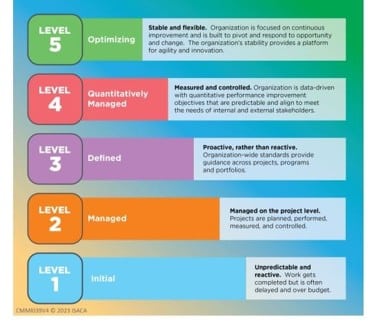
Already using CMMI or another standard? We’ll help integrate ISO 9001 smoothly into your existing frameworks for operational synergy.

Read about how Alluvionic helped Brevard Achievement Center earn both ISO 9001:2015 and AS9100 certifications:

Let’s Close the Gap—Together

Don’t let the unknown slow your journey to ISO 9001 certification. Whether you’re starting fresh or preparing for re-certification, a thorough gap analysis is your launchpad to success.

Contact Alluvionic today to schedule your gap analysis consultation.

Read The Latest Process IMprovement NEWS

A group of professionals sitting at a conference table during a meeting at Alluvionic, with a company logo visible on the screen in the background.
Process Improvement

Making Change Work for Real Teams

Change. That little word that sparks excitement in leadership meetings and fear in just about everyone else. That’s where Organizational Change Management (OCM) comes in. More than just a buzzword,

Read More »

DOWNLOAD OUR PROJECT ASSURANCE® CHECKLIST

Fill out the form below to access our checklist that will ensure your project's success!