5 Lessons From 5 Years as a HIRE Vets Medallion Award Recipient
When a service member leaves the military, finding the next job is only part of the transition. They may also be learning how to translate years of military experience into a civilian role, adjust to a different workplace culture, and decide what the next stage of their career could look like.
Businesses can make that transition easier.
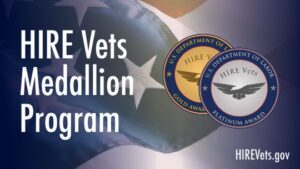
At Alluvionic, we’ve had the opportunity to learn what that support looks like in practice. In 2026, we received the HIRE Vets Medallion Award for the fifth consecutive year, an award that recognizes employers for veteran hiring, retention, resources, and career support. Last year, veterans accounted for nearly 1 in 3 people we hired.
Five years of doing this work has taught us a few things about what really helps.
1. Start the Transition Early
One of the biggest lessons we’ve learned is to start early. The Department of Defense SkillBridge program gives eligible service members the opportunity to gain civilian work experience during their final 180 days of military service, giving them time to experience a new industry and workplace before fully making that transition.
We’ve seen the value firsthand. Multiple SkillBridge interns have gone on to become full-time employees, with one ultimately progressing into an executive role. It changed the way we think about these programs. A SkillBridge internship may be someone’s entry point, but it can also be the beginning of a much longer career.
For employers, the lesson is to make that experience meaningful. Give transitioning service members real work, let them solve problems, and help them see where their skills could take them.
2. Recognize Transferable Skills in the Hiring Process
Military and civilian workplaces often use different language for similar skills. A military job title may not resemble the civilian position you’re trying to fill, while the experience behind it could include years of leading teams, coordinating complex projects, managing risk, and solving difficult problems.
Look beyond a direct title match. Ask candidates what they were responsible for, what they led, and what results they were expected to deliver. This is especially relevant in fields like project management and process improvement, where planning, accountability, teamwork, and execution can transfer across industries.
3. Provide Peer Support to Navigate Civilian Workplace Culture
Every workplace has unwritten rules. How are decisions made? How do people communicate? Where do you go when you have a question? Starting any new job comes with a learning curve, and the shift from military to civilian work can add another layer.
Pairing someone with a peer guide can help. This doesn’t need to be a formal mentoring program. A go-to colleague who can answer everyday questions and explain how things work can make a new environment easier to navigate. Regular check-ins during the first few months also create space to ask questions and address challenges early.
4. Invest In Professional Development and Career Growth
Veterans may bring years of leadership and technical experience while still needing civilian credentials or familiarity with a new industry. Supporting their transition means investing in what comes after the first job, too.
For us, that has meant helping multiple veterans earn their PMP certifications and paying for training, conferences, and other professional development opportunities. These investments help veterans build on their experience, learn new skills, and gain broader industry exposure.
The lesson for employers is to connect professional development with a clear path forward. Ask where each person wants to go next, then help them access the training, credentials, and experiences to get there. The goal is to help them succeed in their first civilian role and build a career with room to grow.
5. Make Veteran Support Part of Everyday Processes
Perhaps the most important lesson after five years is that lasting support can’t depend on one leader, hiring push, or annual initiative. Sustained support comes from building good practices into the way a business already operates.
Create clear paths into the organization, provide peer support, check in at key points, invest in development, and make career growth part of the conversation.
For Alluvionic, a company built on project management and process improvement, that approach feels familiar. When good practices become part of the process, they’re more likely to continue year after year.
Five Years of Lessons, Put into Practice
We’re proud to mark our fifth consecutive HIRE Vets Medallion Award, but the more valuable milestone may be what those five years have taught us.
Businesses don’t need to have every piece figured out before they begin. Start early, learn how to recognize transferable military experience, help people navigate the transition, and invest in what comes next. Then make those practices part of the way your organization operates.
The goal is bigger than helping someone find their first civilian job. It’s helping them build what comes next.