The Cybersecurity Maturity Model Certification (CMMC) 2.0 Final Rule is here, and contractors across the defense industrial base (DIB) are preparing for what comes next. But how ready are organizations, really?
To find out, Alluvionic surveyed Certified Third-Party Assessor Organizations (C3PAOs) actively conducting Level 2 assessments. These professionals are on the frontlines, providing a unique perspective into contractor readiness, scheduling trends, and the role of consultants. Their insights reveal a clear picture: many organizations think they’re ready but face costly delays when assessments begin.
Download the full report now, or keep reading for the highlights.
Below, we highlight key findings and lessons learned to help contractors chart a smoother path to certification.
You Might Not Be as Ready as You Think
According to C3PAOs, readiness is one of the biggest hurdles for contractors:
- Only 25% of C3PAOs feel organizations are typically well prepared.
- 50% of C3PAOs report delaying or turning away clients half the time due to gaps.
- 80% of assessors cite “assumed readiness without validation” as the leading cause of rescheduling
Top readiness gaps include: unclear asset scoping, incomplete System Security Plans (SSPs), insufficient documentation for external service providers, weak policies, and missing multi-factor authentication.
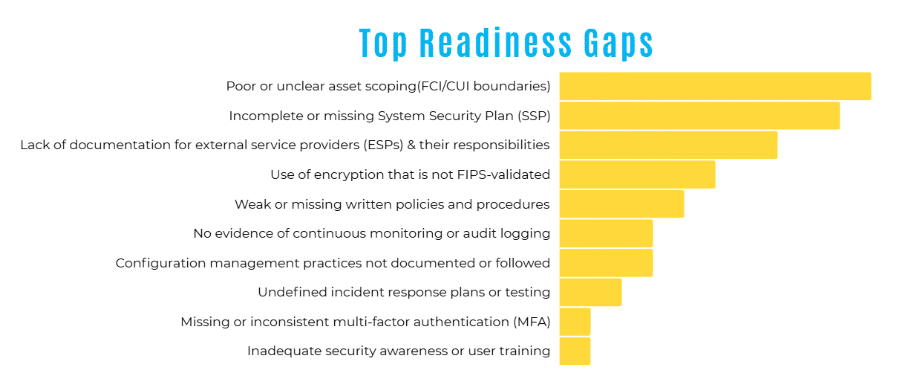
The takeaway? Don’t assume your team is ready, validate early.
Common Evidence Gaps: Where to Focus
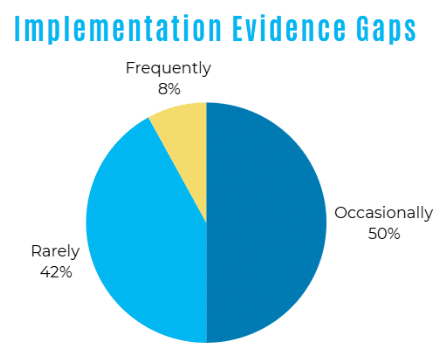
Even well-prepared organizations often stumble on documentation. The most common shortfalls flagged by assessors include:
- Audit logs
- Configuration settings and system outputs
- Incident response documentation
- Change management records
Notably, 75% of C3PAOs said system configuration documentation is the most critical missing piece. The good news: once certification begins, most organizations have aligned implementation with documentation, gaps are more about preparation than execution.
Certification Scheduling: Bottlenecks on the Horizon
C3PAOs reported that most organizations can currently schedule assessments within six months. However, with fewer than 100 authorized C3PAOs available to serve thousands of organizations, demand is expected to quickly outpace supply.
Many assessors have already completed double-digit Level 2 assessments since the final rule took effect, a clear sign of accelerating activity. Contractors should book early to avoid bottlenecks.
Field Insights: Scope and Ownership Matter
Two themes emerged repeatedly from assessor feedback:
- Scope drives effort. Getting scoping wrong is one of the biggest causes of rework. Use the official scoping guide, lock scope early, and validate CUI handling solutions (e.g., Microsoft 365 add-ons, PreVeil, or FedRAMP Moderate CSPs). Company size doesn’t equal maturity…what matters is scope management.
- Internal ownership is non-negotiable. While consultants and MSPs can support, outsourcing doesn’t remove responsibility. Organizations must own their SSPs, validate provider compliance, and take charge of their documentation
The Consultant Ecosystem: Help or Hindrance?
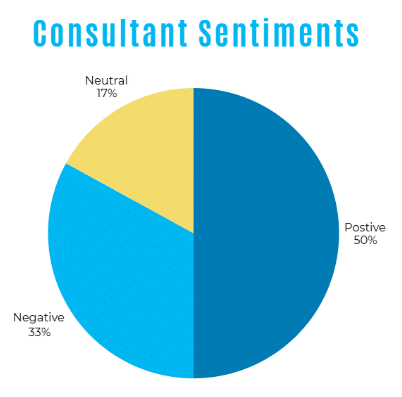
Most organizations rely on some level of consultant support (RPO, MSP, or vCISO). In fact, at least 50% of organizations engaged a consultant prior to assessment
However, experiences vary:
- 50% of C3PAOs rated consultants positively.
- 33% reported negative experiences, often due to “easy button” promises like “we satisfy 300 of 320 controls.”
These shortcuts can leave contractors underprepared, inflating both timelines and budgets.
Best practices when working with consultants:
- Vet their experience – ask for referrals and confirm they’ve successfully guided clients through actual assessments.
- Invest in your internal team – train staff and run a mock assessment with a trusted RPO or C3PAO before the real thing.
Key Takeaways & Next Steps
The survey highlights a clear pattern: many organizations believe they are ready but encounter major delays during assessments. To minimize disruption, C3PAOs recommend five key actions:
- Validate readiness early with a mock assessment.
- Tighten documentation, especially SSPs, ESP contracts, audit logs, and system configurations.
- Scope correctly using official guidance and confirm solutions meet requirements.
- Choose consultants wisely, pairing external expertise with strong internal ownership.
- Plan ahead for scheduling to avoid future bottlenecks
Final Word
CMMC 2.0 certification is not just about compliance, it’s about building a culture of accountability and security across the DIB. By validating readiness, strengthening documentation, and taking ownership of the process, contractors can avoid delays, control costs, and confidently move through certification.
Alluvionic is here to help. As a trusted RPO and partner, we work with contractors to assess readiness, identify gaps, and guide them to certification success.
Interested in the Full Survey Data?
The complete report includes expanded data breakdowns, recommendations, and timeline considerations.