Preparing for a CMMC assessment can feel overwhelming, especially for organizations navigating documentation, artifacts, evidence, and evolving contract requirements. But with the right structure in place, the process becomes much more manageable.
During Alluvionic’s webinar, CMMC Assessment Readiness: Documentation and Evidence Simplified, Bobby Padilla, Alluvionic’s Information Security Director and Cyber AB Certified CMMC Professional, and Daryouche Behboudi, Cybersecurity Director at CohnReznick, a Cyber AB authorized Certified Third-Party Assessment Organization (C3PAO), discussed practical steps organizations can take to prepare for CMMC Level 2 assessment readiness, with a focus on documentation, evidence, and common pitfalls to avoid.
The discussion emphasized that the right approach to documentation, artifacts, and evidence can make a meaningful difference in how smoothly an assessment process goes.
Understanding CMMC Assessment Readiness
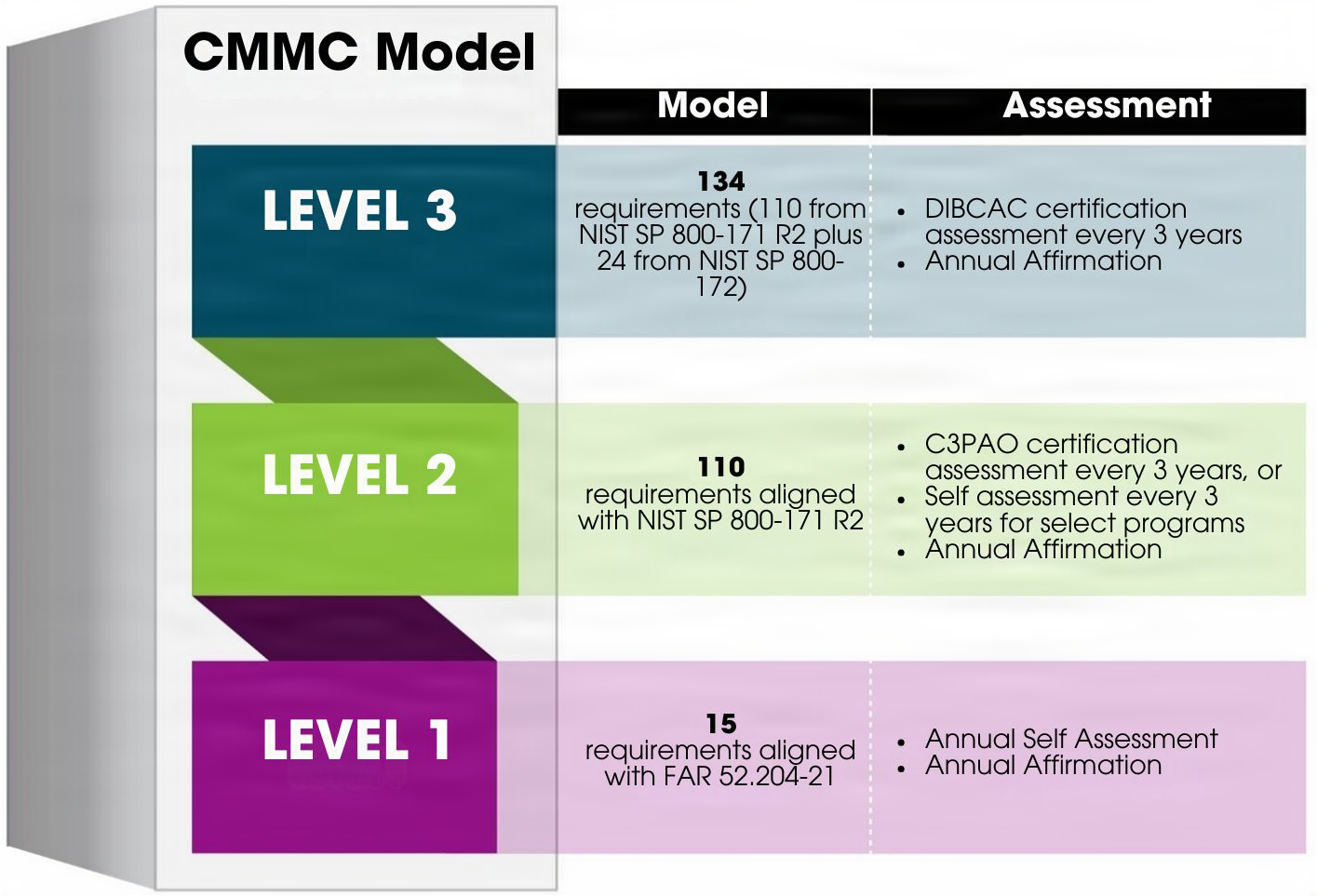
CMMC is designed to ensure defense contractors have implemented the cybersecurity protections required to safeguard Department of Defense (DoD) information, including Federal Contract Information (FCI) and Controlled Unclassified Information (CUI). For many organizations handling CUI, CMMC Level 2 requires meeting 110 NIST SP 800-171 security requirements and preparing for a third-party assessment.
Readiness is not just about having cybersecurity tools in place. It requires clear documentation, defined system boundaries, accurate inventories, organized evidence, and team members who understand how security practices are implemented.
Start with the System Security Plan
One of the most important takeaways from the webinar was the role of the System Security Plan (SSP).
 Daryouche Behboudi emphasized that the SSP is the foundation of assessment readiness:
“There is one document that is the most important document, and that’s your system security plan.” — Daryouche Behboudi
He explained that if the SSP is missing or incomplete, the assessment can stop before an organization receives a score. The SSP should be complete, approved, and supported by policies and procedures that reflect how the organization actually operates.
An effective SSP should include or link to key materials such as:
- System description
- Applicable CAGE codes
- Authorizing official information
- Asset and system inventories
- Assessment boundary and system boundary details
- Network diagrams
- CUI flow diagrams
- In-scope vendors, MSPs, CSPs, subcontractors, and third parties that receive CUI
- Implementation details for all 110 controls and 320 assessment objectives
As Daryouche noted, organizations sometimes focus only on the 110 controls and overlook the 320 assessment objectives. Because CMMC is assessed as met or not met, missing one objective can cause the entire control to be missed.
Define Your Assessment Boundary
Before preparing evidence, organizations need to understand what is in scope. Bobby Padilla recommended starting by reviewing contracts to determine compliance requirements and identify whether the organization is handling FCI, CUI, or both.
Daryouche also stressed the importance of defining the system boundary early. This step helps organizations identify the systems, locations, contracts, vendors, and users that support DoD work. Without a clear boundary, organizations may overlook shadow IT, program-specific systems, or locations that contain CUI.
Make Documentation Match Reality
Templates can be useful, but only when they are customized. A generic policy or procedure may create problems if it does not reflect the organization’s actual environment.
Bobby explained that documentation should match “actual security operations” and how the organization works day to day. A policy, procedure, or SSP may look strong on paper, but if it does not align with day-to-day operations, it can create problems during the assessment.
What Good Evidence Looks Like
CMMC readiness depends heavily on evidence. Organizations must be able to show that controls are implemented, not simply documented.
Bobby described good evidence as clear, accurate, aligned with CMMC and NIST SP 800-171 requirements, and reflective of operational execution. Evidence may include policies, procedures, screenshots, configuration settings, logs, reports, and training records for topics such as CUI handling and insider threat awareness.
Daryouche added that each objective requires multiple types of evidence. Evidence can include a person being interviewed, an artifact such as a screenshot or policy, a screen share, or a test where the assessor selects a sample and verifies that a control is effectively implemented.
Bobby also recommended creating a centralized evidence repository and mapping each artifact back to the relevant security control. This makes it easier to locate information quickly when assessors ask for it.
Avoid Common Readiness Pitfalls

The panel noted several common mistakes, including treating CMMC as a one-time compliance activity, using overly generic documentation, failing to update related documents, and maintaining incomplete inventories.
“One common mistake is treating CMMC as a one-time… compliance effort… thinking that it’s a check-the-box or paperwork drill.” — Bobby Padilla
CMMC readiness requires ongoing maintenance, not a one-time push before assessment. Organizations should regularly update documentation, review policies, track remediation efforts, and ensure their evidence reflects current operations.
Where to Begin
For organizations beginning the readiness process, the panel recommended a structured approach:
- Review contracts and applicable requirements.
- Define the assessment boundary.
- Conduct a gap assessment.
- Build or update the SSP.
- Align policies, procedures, and evidence.
- Maintain current inventories.
- Prepare team members for assessment interviews.
Bobby emphasized that leadership buy-in is critical because CMMC requires investment, coordination, clear ownership, and commitment across the organization
Watch the Full Webinar Replay
CMMC assessment readiness requires more than documentation. It takes accurate evidence, clear ownership, leadership support, and a practical understanding of how security controls are implemented across the organization.
Alluvionic helps organizations prepare for CMMC with support for gap assessments, documentation, evidence preparation, cybersecurity compliance, and process improvement.
Watch the full webinar replay to hear the complete discussion and learn how to simplify your approach to CMMC documentation, evidence, and assessment readiness.